-
The Dalmore – Is It Actually Good? | Whisky Reviews and Conclusions (PART 5)
The Dalmore 12 Sherry Cask Select Review
Strength: 43% ABV
Purchased: 2023 for $56 + tax
Aged: 12 years
Presentation: Chill filtered, Natural Color.
Score: 4. Below Average.
SMWS 13.91 A Colorful Companion
Strength: 62.5% ABV
Distilled: December 1, 2011
Purchased: 2022 for $125 + tax/shipping
Aged: 9 years
Casks: 2nd Fill Ex-Bourbon Barrel
Presentation: Non-chill filtered, Natural Color.
Score: 5. Average.
Hart Brothers Dalmore 10 Year – K&L Exclusive
Strength: 56.9% ABV
Distilled-Bottled: May 2012 – September 2022
Purchased: 2022 for $75 + tax/shipping
Aged: 10 years
Casks: Sherry Butt
Presentation: Non-chill filtered, Natural Color.
Score: 3. Poor.
-
The Dalmore – Is It Actually Good? | Online Reviews and YouTube Commentary | Building Bias (PART 4)
-
The Dalmore – Is It Actually Good? | Marketing and a Springbank Comparison | Building Bias (PART 3)
Are Springbank and Dalmore All That Different?
-
The Dalmore – Is It Actually Good? How we choose the whisky we buy. (Part 2)
-
The Dalmore – Is It Actually Good? How we choose the whisky we buy. (Part 1)
-
Dailuaine 12 Year – Signatory Vintage 2009 at 46% Review
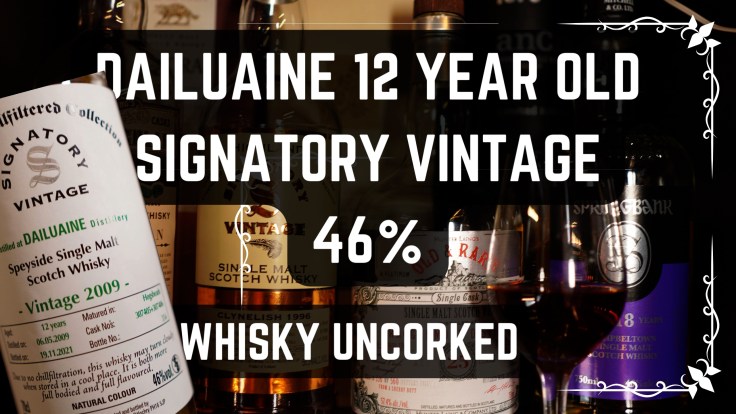
Strength: 46% ABV
Distilled-Bottled: 2009 – 2021
Purchased: 2022 for $43 + tax/shipping
Aged: 12 years
Casks: Hogshead
Presentation: Non-chill filtered, Natural Color.
Score: 6. Above Average.
-
Bruichladdich 20 Year – Cadenhead Small Batch (2014) Review
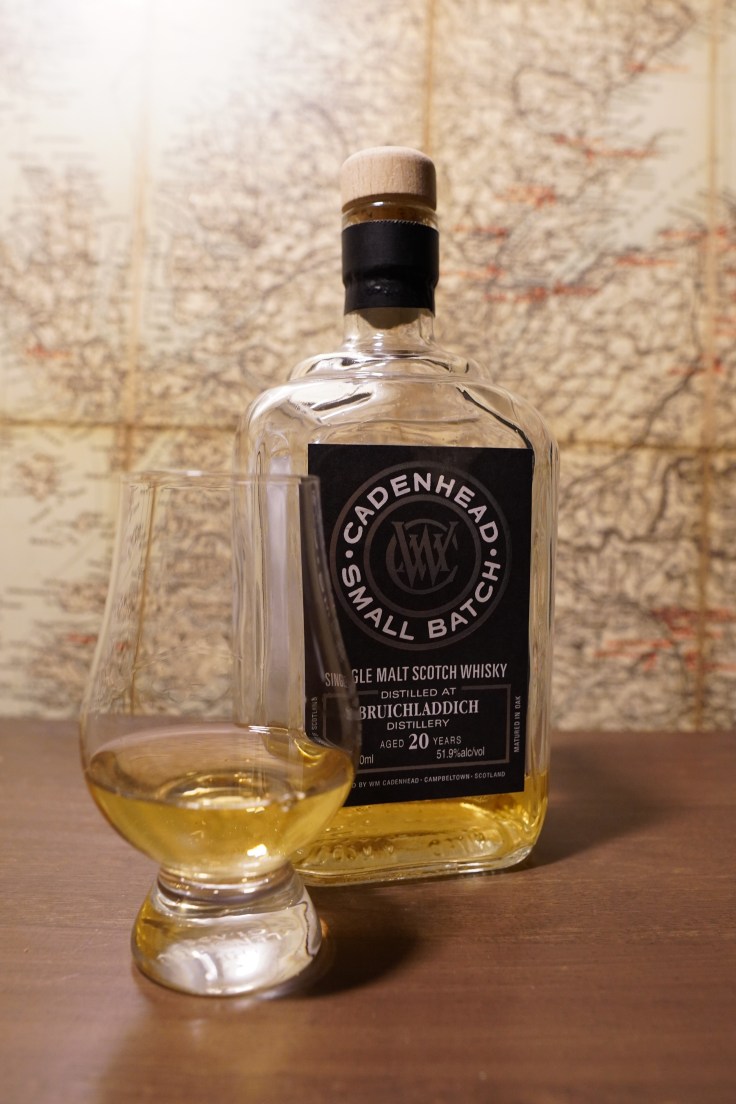
Bruichladdich 20 Year – Cadenhead Small Batch (2014)
Strength: 51.9% ABV
Distilled-Bottled: 1993 – 2014
Purchased: 2021 for $140 + tax
Aged: 20 years
Casks: Bourbon Hogshead (234 Bottles)
Presentation: Non-chill filtered, Natural Color.
Score: 9. Wow. (Skip to the review)
Where Is the Whisky?
The tale of Bruichladdich distillery on Islay is well known amongst Scotch whisky enthusiasts. The journey that the distillery has taken over the last 140+ years is a microcosm of the history of Scotch itself. A rollercoaster of tradition, obscurity, near death, rebirth, triumph and global renown. I have made no secret of the place this distillery has had in my whisky life, and the fact that a story like Bruichladdich can even exist is enough to make me love Scotch as a category.
There is room for complaints however (from a place of love!). Distillation was restarted by Jim McEwan and crew back in 2001, which means we are, at the time of writing, about 22 years removed from this distillery’s rebirth. Yet, the core range and official bottlings rarely exceed 10 years in age. There is an occasional Feis Ile bottling and maybe a single barrel selection here and there, but otherwise we are largely limited to NAS, 10 year age statements or vintages hovering in the 10 year old range as well. Even the core Classic Laddie bottling only has an 8 year age statement if purchased through the travel-retail market. The Black Art releases break the 20 year mark but those are pre-revival casks. I have to assume that there are casks 15-20 years old sitting in the Bruichladdich warehouses, but for whatever reason the distillery has chosen not to present these at any scale to the market. Of course this leads to conspiracy theories and conjecture, but until something changes we are left to wait patiently.
There have been opportunities to try pre-revival Bruichladdich of significant ages for considerably less than the $400-700 that the Black Art releases have generally cost. Some have come from the distillery, many released shortly after the revival, which now fetch considerable premiums at auction, however the affordable gems have largely come from independent bottlers, like Signatory and in this review’s case, William Cadenheads. Being that I have yet to try anything remotely close to 20 years old from the contemporary casks, I can only hope that they are able to recreate the magic that has emerged from this bottling.
The Review
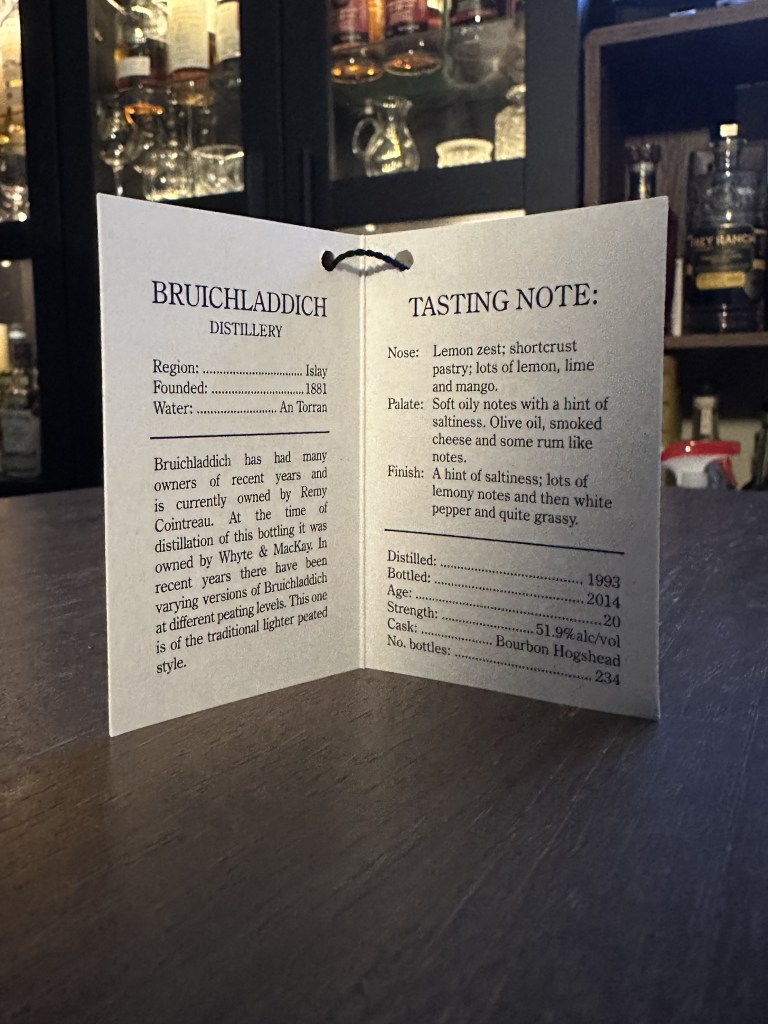
Nose: Fresh oysters. Unequivocally, fresh oysters. This has to be one of the most maritime malts I have ever nosed, and I dig it. There are lemon wedges here too, albeit faint, and the lightest whiff of the original maltiness. I would not consider this overly complex in terms of layers and layers of notes, but it is certainly one of the most unique experiences I have had with a malt thus far. This bottle has been open a while, and I do not recall getting the intense ‘ocean in a glass’ vibe prior to the last ⅓-½ of the bottle.
Palate: Salty and sweet honey up front and then comes those oysters. The nose plays out pretty cleanly here. You can find the maltiness, some vanilla and the lemon if you look for it. There is a touch of bitter, probably from 20 years in oak. Definitely more layered on the palate than the nose, but largely it tastes like it smells. The provided tasting notes say ‘rum-like notes’ and I suppose I can see that, although I pick up the ester-y notes on the finish. Good mouthfeel overall.
Finish: The saltiness carries through, but a drying grassy sensation takes over. Maybe more akin to a saltine cracker than grassy, but it is accompanied with some earthiness. The vanilla picks up here as well, with a lemon tartness. Let’s go with lemon merengue. Medium long, consistent, and delicious.

Overall: The tag on the bottle says this was aged in bourbon hogsheads. If this isn’t a refill cask, I will eat my shoe. Maybe even bordering on a well used cask. This is all spirit, time and environment and it shines with the wood only imparting enough flavoring to recognize this as whisky. I have not had a lot of pre-revival Bruichladdich, although I do have a couple other bottles in line when this one is gone. What I have had is nothing short of excellent, and it makes me want to demand that Adam Hannett and Remy Cointreau start giving us older expressions of their current spirit immediately. I do not know what they are doing with their now 20 year old stock since reopening, but frankly I am over the NAS and 10 year old (give or take) expressions. I mean, those are still great whiskies, but if their barrels in the warehouses right now are anything like this then they are doing us all a disservice by hoarding it. Regardless, this is a great bottle and one that holds a special place in my personal journey. Score: 9/10. Wow.
-
From the Archives: Springbank 10 Review (2019)
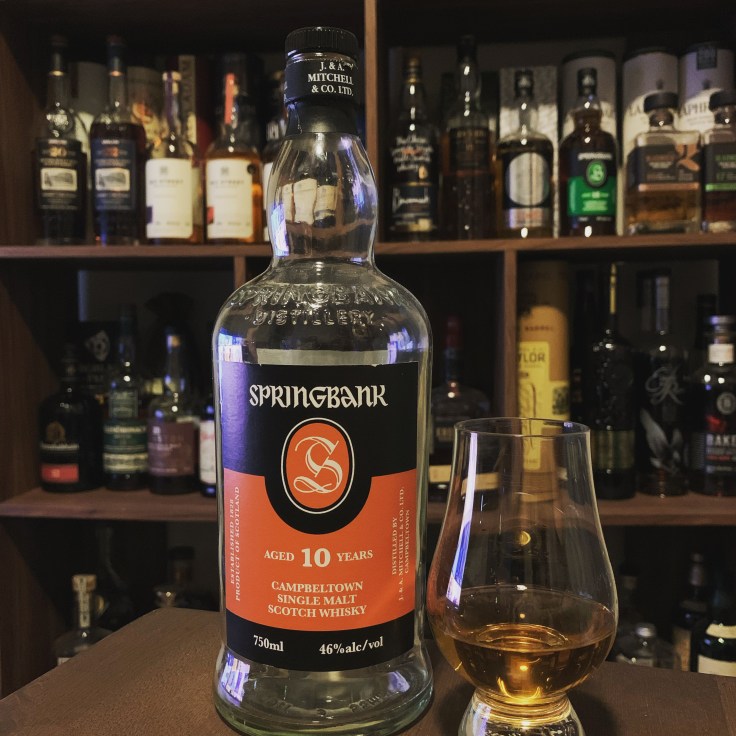
Springbank 10 (2019)
Strength: 46% ABV
Purchased: 2019 for $70.00 + tax
Aged: 10 years
Casks: ??
Presentation: Non-chill filtered, Natural Color.
Original Review: 12/26/2020
Score: 8. Excellent. (Skip to the Review)
From the Archives: FTA is a series of tasting notes and reviews that I had hand written earlier on in my whisky journey. These notes may not reflect how I would feel today, but represent my attempts to begin verbalizing what I was experiencing. I chose to hand write these because that seemed like a more intimate and focused effort. It also made me slow down a bit to think, write, and shake off any writing cramps between sips. In the spirit of full disclosure, I did add some text to make the reading experience a bit easier. I hope these ‘reviews’ will provide some context in my journey and will provide some reference points for my evolving palate over time.

The calm before a very expensive storm. ❤ The Review
Details: I enjoyed this bottle before I was aware of the bottle codes used to distinguish different batches of Springbank 10 year old so I did not record it in any of my notes. Additionally, I can see this was another example where I struggled to identify a lot of individual notes and focused more on trying to describe the overall experience. At any rate, this is a good example of a new Scotch drinker identifying that they loved something, but not being quite sure why.
Nose: Light peat, lime, pear, cantaloupe melon, maritime and salty. Complex and pleasant.
Palate: Sweet and fruity with hints of charcoal. Well balanced.
Finish: The peat from the nose shows up. There is a fizzy and peppery sensation throughout. Fruitiness carries through, but takes a back seat to the stronger peat flavors.
Overall: Characterful all around. Cohesive and balanced. Thoroughly delicious and a favorite of mine thus far. Score: 9/10.
In Retrospect: Springbank has remained my favorite overall distillery to this day, and it did not take long for me to identify that. I was certainly aware of the buzz around Springbank at that time, which had not quite reached the mania that surrounds it today, however I do remember truly loving this bottle immediately, regardless of general opinion. I also remember scoffing at the idea of paying $70 for a 10 year old Scotch at that time. Now days, Springbank 10 typically is seen on shelfs for $100-110 in the United States, no thanks to Pacific Edge Imports who (allegedly) up-charge to force stores to list bottles at auction prices + overseas shipping for Springbank here in the U.S.. This often means it is cheaper and/or easier to just buy Springbank bottlings from overseas auction sites. Of course some stores take additional liberty to get their added cut as well. This is all compounded by uncertainty at when bottles will be arriving, and that can vary widely by where you live. Hunting these bottles and finding them for an “acceptable” price is often times a total luck of the draw unless you have a store owner willing to save them for you and let you know when they come in.
Let’s get back to the point…I do wish I knew what batch this particular bottle was from as some idea of the casks used could provide context to some of my vague notes. I do not think that ‘funk’ was in my vocabulary at that time so I went with ‘peat.’ What is clear is that none of that mattered at the time and this was something I just enjoyed. Replacing this bottle was somewhat difficult, although that was when I learned about the batch releases as a few months after I finished this bottle, during the pandemic, the next batch did eventually arrive on U.S. shores and I was able to get a new one. Springbank 10 continues to be a standard on my shelf, and being that in maybe the first and only time ever, I saw the writing on the wall and was able to build up a stash of bottles, ensuring I will not have to go without one on my shelf for the foreseeable future, regardless of price increases. I gave this a very good score at the time, however I am not going to go with a 9 as that seems a bit over the top. A solid 8/10 though. Score: 8/10. Excellent.
-
Kilkerran 8 ex-Bourbon Cask Strength 56.5% Review (2018)
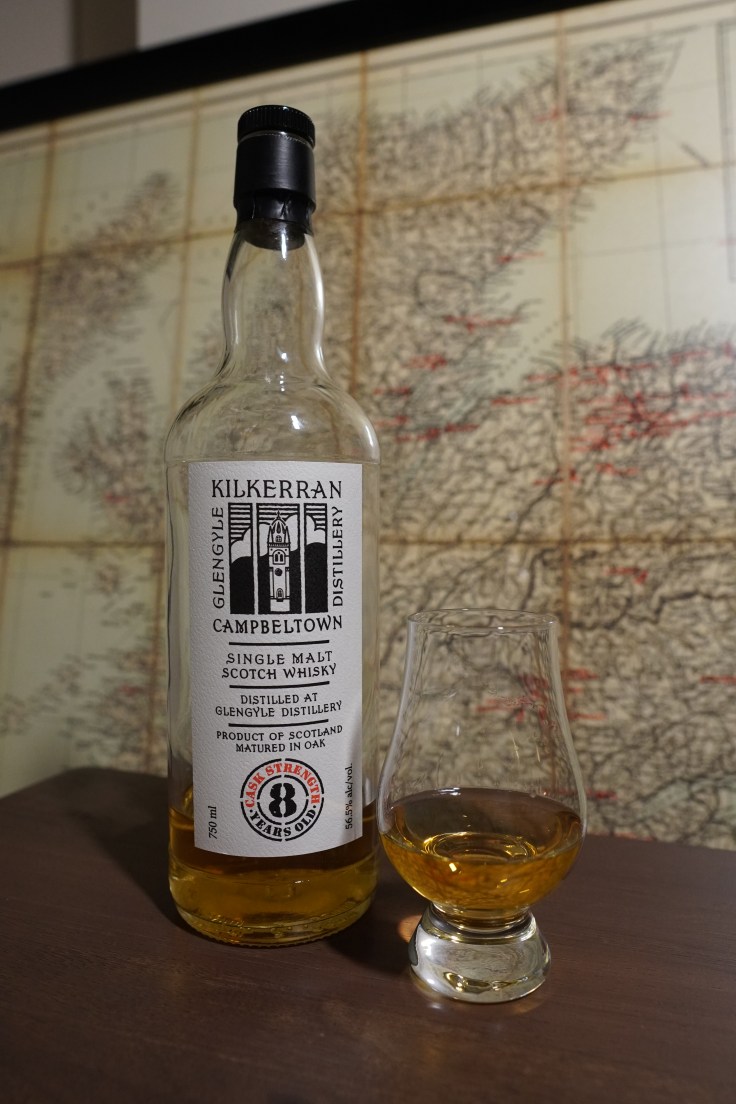
Kilkerran 8 56.5% (2018)
Strength: 56.5% ABV
Released: 24.10.2018
Purchased: 2020
Aged: 8 years
Casks: ex-Bourbon
Presentation: Non-chill filtered, Natural Color.
Score: 8. Excellent. (Skip to the Review)
A Bottle Ahead of Its Time
Glengyle distillery in Campbeltown was renovated and began distilling spirit in 2004 under the ownership of J & A Mitchell & Company, who also own Springbank distillery and the independent bottler William Cadenhead’s. Originally founded in 1872, it ceased production in 1925 and the site was used for multiple non-whisky related purposes until its renovation. Its whisky is sold as Kilkerran, as the Glengyle trademark is owned by Loch Lomond Distillers.
Being only one of three Campbeltown distilleries with Scotch whisky on the market today, there is considerable interest in malts coming out of the relatively small operation (750,000 L per year capacity). Additionally, it being considered the ‘sister distillery’ to Springbank, who malts the Glengyle’s barley on their malting floors and even shares warehouse space, has helped propel Kilkerran whisky to the top of many enthusiasts’ minds when looking for alternatives to the difficult-to-find spirits of their neighbor. This has made their releases difficult to source as well, although typically there is a greater chance of coming across Kilkerran bottles at a reasonable price than Springbank’s various brands (Longrow and Hazelburn included).
Glengyle states that they are a ‘grain to glass’ distillery. They have committed to use only Scottish grown barley which is malted at Springbank’s malting floors. Their spirit is double distilled and all water used in the whisky making process is locally sourced from the Crosshill loch. Barrels are aged in the warehouses of Springbank using both dunnage and racked warehouses and they use Springbank’s bottling facility as well!
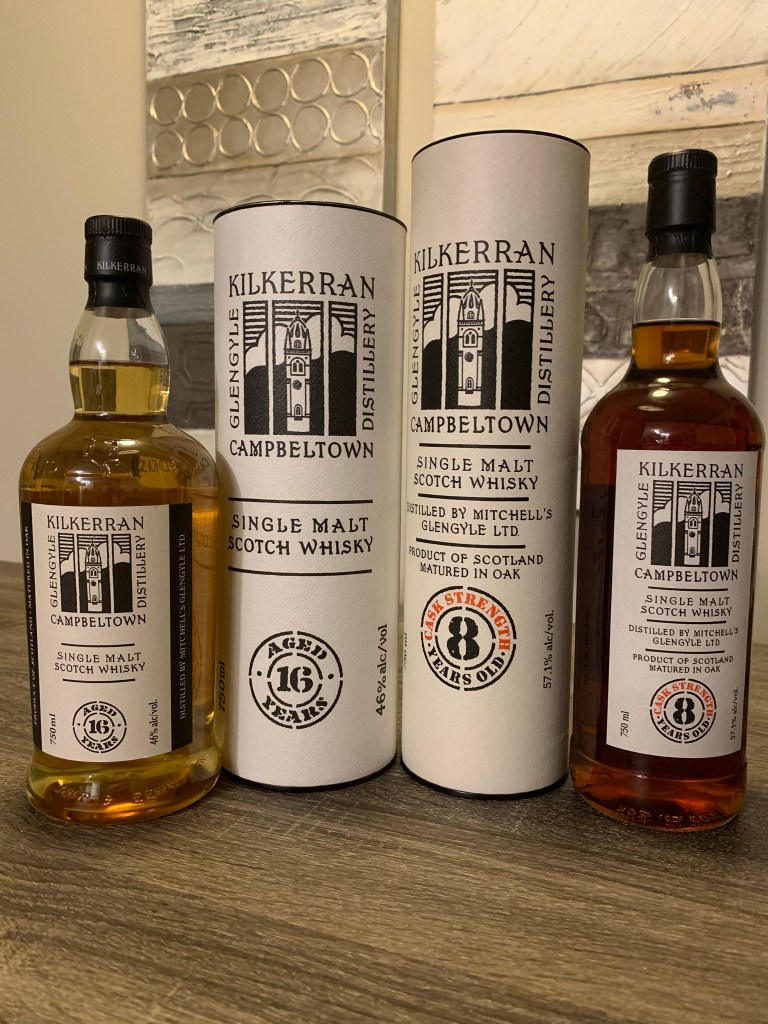
Kilkerran regular releases consist of their 12 year old, 16 year old, Heavily Peated NAS, and their popular 8 year old Cask Strength release. The last couple years have had double releases of the 8 year old, pairing a Sherry matured bottling with another cask type (Port matured last year and the most recent release being a bourbon matured version). The 2019 sherry matured release, bottled at 57.1%, put Kilkerran and their 8 year old releases on the map. Subsequent versions have not quite lived up to the general opinion of the 2019 release, but have remained popular none-the-less. I admittedly loved the 57.1% release so much that I have stashed two bottles away for future enjoyment. The year prior to that popular release saw a bourbon matured edition that, although well received, did not garner nearly as much attention as the Sherry matured version a year later. Nowadays, it is largely considered a quality bottling that did not get its due at the time of release. I do wonder how much the general zeitgeist of the whisky community affected the popularity of this release, as single digit age statements were still a bit of a rarity at this time. In many ways, I think the success of the Kilkerran 8 releases as a whole have loosened many people’s grip on the ‘older is better’ mindset. Lets take a closer look at something of a trailblazer of a whisky.
The Review
Nose: Light tropical fruit, such as overripe mango and maybe a whiff of pineapple. Vanilla cookies/biscuits. All of which lies beneath a very present funk. Dried hay, sweat, and old books. I found the Campbeltown peat to be quite evident here.
Palate: Honey and vanilla hit right away, followed quickly by the peatiness which brings a gentle pepperiness and a cold smoke. Noticeably oily. There is a dry note going into the finish akin to a hint of cardboard, but not as a negative as the sensation is interesting and adds a layer of complexity.
Finish: The funk picks back up with the appearance of the hay bale along with a mild sweet and sour sensation. Dense maltiness brings the honey and vanilla. A milk chocolate eventually appears later in the journey. White pepper is present throughout. A cookie-like texture appears which accompanies the experience from the nose. Medium long. Drinks much easier than the proof suggests.
Overall: I thoroughly enjoyed this bottle and I definitely regret not grabbing another back when these were sitting on the shelf (in the U.S.) well after its release. The hype for the Kilkerran 8 line picked up once the 57.1% Sherry bottling dropped the following year and the remainder of the bourbon cask bottlings dried up quickly. My one complaint is that my experience with this bottling was not consistent, and it seemed to highly depend on my palate for the day. Even while doing this review, the first pass at tasting notes had more sour, underripe tropical notes in it. I knew this was, on average, not the regular experience to expect with this one. I put that more on me, but I struggle to think of a bottle that was more sensitive to variables such as what I had for dinner that night. Regardless, as in most of the best iterations of the Kilkerran 8 range, this edition drinks much older than the age on the label. I found it to be complex in sensation and flavor, and the ABV is barely noticeable in the slightest. I have recently opened this past year’s bourbon release and the neck pour was lacking the depth that the 2018 bottling seemed to have in droves. I will give that one some time before making my final decision, but it has a steep road to climb. I do not feel that adding water to this improved the experience much, as the finish severely suffered. An increase in toffee-like notes emerged on the palate, which I appreciate. I do not punish whiskies for this as it does not make sense to alter a ranking negatively based on an arbitrary decision on my part, although I would raise a score if it helped as cask strength bottlings can leave room for experimentation. At any rate, this is a fantastic dram, that I will miss once it disappears completely, which will not be long now. Score: 8/10. Excellent.
-
From the Archives: GlenDronach 12 Review (2020)
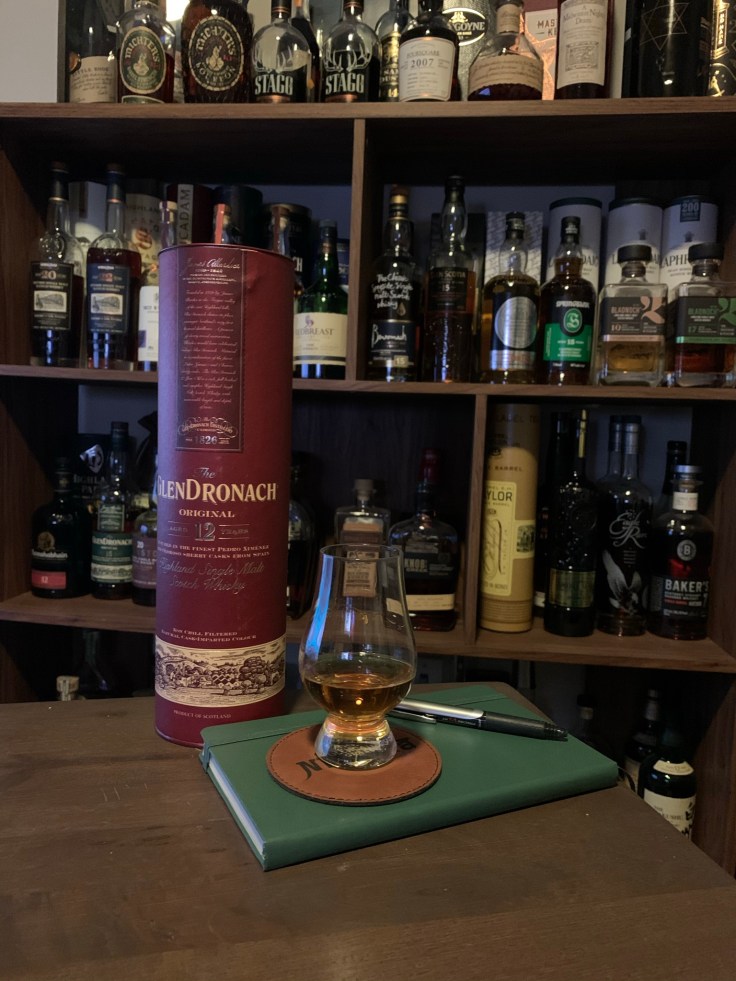
The GlenDronach 12 (2020)
Strength: 43% ABV
Purchased: 2020 – ~$63 + tax
Aged: 12 years
Casks: Pedro Ximenez (PX) and Oloroso Sherry
Presentation: Non-chill filtered (Maybe? See below), Natural Color
Original Review: December 13, 2020
Score: 7. Very Good (with caveats!).
From the Archives: FTA is a series of tasting notes and reviews that I had hand written earlier on in my whisky journey. These notes may not reflect how I would feel today, but represent my attempts to begin verbalizing what I was experiencing. I chose to hand write these because that seemed like a more intimate and focused effort. It also made me slow down a bit to think, write, and shake off any writing cramps between sips. In the spirit of full disclosure, I did add some text to make the reading experience a bit easier. I hope these ‘reviews’ will provide some context in my journey and will provide some reference points for my evolving palate over time.
Details: Bottle was ¼ full when review was done.
Nose: Raspberries, raisins, toffee, vanilla. Sherry forward, but light overall. Complex. A higher ABV would greatly improve the nose.
Palate: Citrus and rich dark fruit. Lightly spiced. Tobacco. Creamy and juicy.
Finish: Dry, spicy, light oak, touch of anise. Medium long.
Overall: This grew on me, as have sherried whiskies in general. I wish the nose was more bold and dense, but the palate and finish were great. An excellent deal at $60. Score 8.7/10.
In Retrospect: Of the few whisky reviews I have looked back on, this one sticks out as probably being the one I would most likely disagree with at the current stage of my whisky journey. I suppose that the lower ABV, despite my objections at the time, may have been beneficial to my enjoyment as I appear to have had an easier time with notes than some previous bottles. I also wonder if sherried whiskies are just easier to write ‘notes’ for being that there are some basic flavors that you can identify and no one can really argue with you. This is similar with Kentucky bourbon where you can just write “vanilla, cherry, brown sugar and oak” for all of them and you technically wouldn’t sound like an idiot to most folks. Obviously, not all bourbons taste the same (despite that belief being held by some) and that is true for sherried Scotches as well.
Glendronach was an early star in the world of Scotch for me, as a bottle of the 15 year old was also a big hit around the same time. Now, it is largely known that the 18, and possibly the 15, from this time likely contained whisky that was older than the stated age. My assumption was that Billy Walker either didn’t have the stocks of appropriately aged whisky to support demand, or he wanted to get Glendronach on the map with really good whiskies at an extremely fair price. Either way he was immensely successful.
Regardless, I was drinking the 12 year old here and that means we are talking about a 43% whisky. It’s packaging stated that, despite this, it was non-chill filtered. There has been a lot of talk around the removal of this designation from all of Glendronach’s packaging back in 2021 and I will leave that to you to decide exactly what that means for you, but check out this article from Dramface before you do. Despite all that noise, I have a strong feeling that it would not stand up to the sherried whiskies on my shelf today. I have also gone the way of many enthusiast Scotch drinkers and have entered the ‘ex-bourbon is best’ phase of my journey through the world of malted spirits. The 8.7/10 score that I gave it nearly 3 years ago would certainly translate to at least a 7/10 now, which I imagine would be way out of whack for where I know it would likely end up on my overall scale should I review it again today. I do believe that this would likely still be a great introduction to sherried whiskies for beginners as you are still getting good flavor at the lower strength, allowing for a more relaxed experience. As I am attempting to respect my older scores, I am going to stick with a 7/10 with a massive caveat that this would apply to fairly novice enthusiasts. Score: 7/10….kind of.
-
Subscribe
Subscribed
Already have a WordPress.com account? Log in now.
 Whisky Against Humanity